Local Tree Preservation Value Analysis
Explore Key Arboriculture Techniques for Maximum Tree Health
Knowing how to care for trees is crucial for maintaining a healthy environment. Important techniques including mulching and trimming are vital factors in encouraging strong tree growth. Furthermore, the right way to water are essential for new root growth. Nonetheless, most people miss the symptoms of sick trees and the value of professional arborists. Looking into these areas can foster a greater respect for arboriculture and trees. How can someone ensure to help their trees grow strong?
Understanding the Importance of Tree Health
Recognizing the value of healthy trees is essential, as trees are instrumental in preserving the ecosystem's equilibrium and enhancing urban environments. Vibrant trees help improve air quality, give shelter, and provide refuge for nature. They also help mitigate climate change by capturing carbon, making them essential for long-term ecological health.
In urban settings, healthy urban trees enhance the appearance, boost real estate worth, and promote community well-being. Their presence can reduce city heating in cities, leading to lower energy costs.
Ignoring tree maintenance, on the other hand, can lead to illness, pest infestations, and weakness in structure, creating dangers to both the trees and surrounding infrastructure. Therefore, recognizing the indicators of tree health, like the color of the leaves, how the tree is growing, and the tree's outer layer, is vital for proper care. In conclusion, promoting tree health helps more than private yards but the wider ecological system, emphasizing the need for forward-thinking attention and maintenance techniques.
Vital Trimming Practices
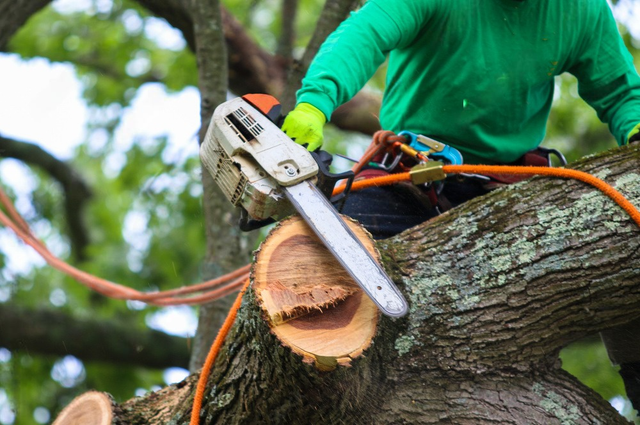
Cutting branches is a vital method in tree care that ensures optimal development and well-being, as it takes away unhealthy branches and improves air circulation within the canopy. Employing proper techniques guarantees that trees can grow well in their setting.
One fundamental technique is "thinning," which requires careful branch removal to allow more light through and reduce weight on weaker limbs. 'Heading cuts' is a different technique, where the ends of branches are snipped to stimulate lateral branching, mainly in juvenile trees. Additionally, the 'crown reduction' method lowers the overall height of a tree but keeps its characteristic silhouette.
Proper timing is crucial; trimming when the tree is resting reduces strain and optimizes healing. Equipment needs to be clean and honed to prevent injury and the spread of pathogens. Grasping these critical pruning practices is crucial for any tree care professional who seeks to keep healthy and aesthetically pleasing trees.
Recognizing Typical Tree Ailments
What helps tree owners spot the symptoms of frequent ailments that threaten their trees? Familiarity with key indicators is vital for quick spotting and treatment. These often include leaves that are yellowing or drooping, possibly indicating a fungus or a lack of necessary nutrients. Unusual growths, such as galls or cankers, can signal the presence of pests or pathogens that weaken the tree. Additionally, bark shedding or sticky sap may indicate infections that demand quick action.
Owners must also monitor changes in tree structure, like premature leaf shedding or dead branches, which might indicate a serious problem beneath the surface. Looking out for insect attacks, such as holes in the bark or frass, is equally important. By remaining vigilant and proactive, they can recognize these typical illnesses and get the right solutions, to keep their trees healthy and vigorous across the different seasons.
The Role of Mulching in Tree Care
Applying mulch is a vital method in tree care, offering numerous benefits that promote healthy growth and resilience. It means spreading a layer of inorganic or organic matter at the tree's base, helping to keep the soil damp, keeping weeds down, and stabilizing soil warmth. This protective barrier does more than minimize competition from competing weeds but also improves the look of the yard.
Moreover, natural mulching materials, like bark or wood chips, decompose over time, enriching the soil with crucial nutrients and enhancing the soil's composition. This continuous action aids in root growth and creates a more robust setting for the tree. Moreover, mulching can prevent the erosion of soil, thereby stabilizing of the tree’s base. When applied correctly mulch needs to be arranged in a ring reference shape, avoiding direct contact with the trunk to avoid rotting. In summary, incorporating mulching into tree care routines significantly aids to the long-term health of trees.
Proper Watering Practices for Trees
Quality tree upkeep needs not only mulching but also appropriate watering techniques to promote the best growth and health. Tree specimens, specifically new plantings, demand regular water to develop robust root structures. It is vital to water deeply, as it helps roots push deeper where moisture is more stable. Preferably, trees should receive about an inch of water per week, either via rain or additional watering.
Watering should be done early in the morning to cut down on evaporation and fungal diseases. It is important to avoid overwatering, which may result in root rot and other issues. One must check the soil for moisture before watering; when the top two inches feel dry, it’s time to water. Moreover, employing a soaker hose or drip irrigation can provide a slow, steady supply of water, guaranteeing trees are sufficiently hydrated without the danger of water runoff. Effective hydration techniques are essential contributors to the general well-being of trees.
Retaining Specialized Tree Care: The Timing and Rationale
In evaluating the health and aesthetics of a property, retaining specialized arborists can be crucial for homeowners facing complex tree care needs. Trained arborists hold the expertise to determine tree vitality, identify diseases, and execute beneficial procedures. Professionals are familiar with local regulations concerning tree removal and maintenance, guaranteeing compliance and sidestepping fines
(Stillwater Tree Service)Property owners ought to hire experts when dealing with large trees, especially those close to buildings or power lines, as incorrect care can lead to dangers. Additionally, trees requiring pruning for appearance or vitality gain from the abilities of trained specialists who can make accurate cuts to encourage development
Routine seasonal work, such as preparing for storms and debris cleanup, also require expert help to maintain property safety and appearance. Finally, hiring certified arborists makes certain trees get the best attention, contributing positively to the overall landscape and property value
Questions and Answers
How Do I Know if My Tree Is Receiving Too Much Water?
Overwatering often leads to foliage turning yellow, limpness though the soil is damp, root rot, and premature shedding of leaves. Additionally, the appearance of mushrooms around the base may indicate inadequate water runoff and waterlogged conditions.
What Is the Best Time of Year for Tree Pruning?
The optimal period to prune trees is typically late winter to early spring before new growth begins - Stillwater Tree Service. Scheduling the work then supports robust regeneration and reduces the tree's strain, allowing for effective healing and further growth
Do Trees Bounce Back After Significant Weather Events?
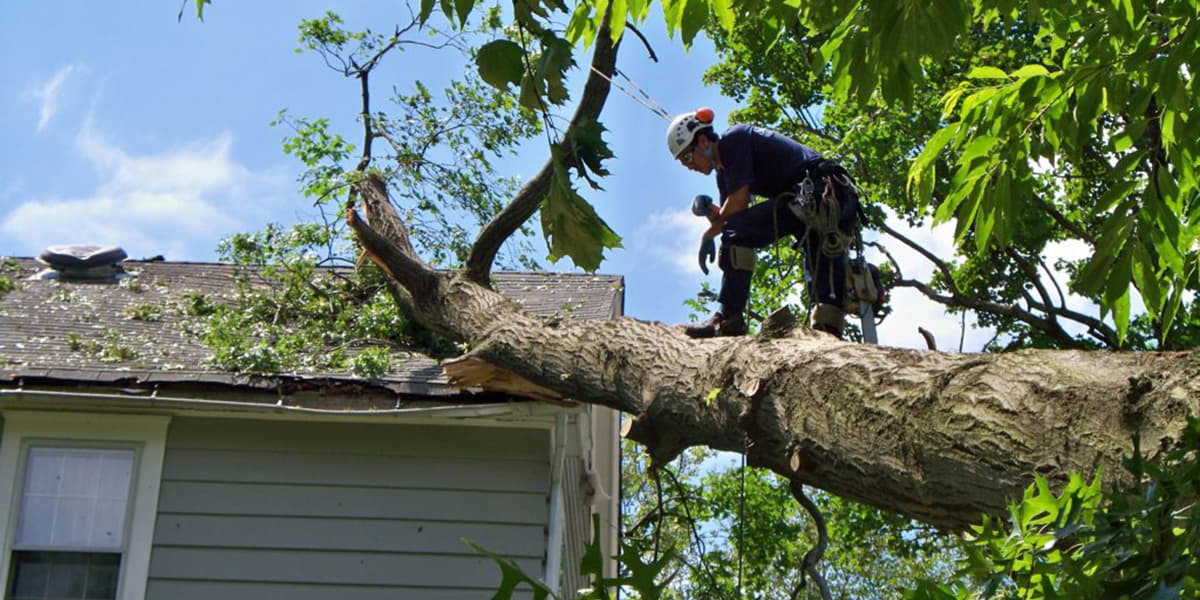
It is possible for trees to bounce back after severe weather. If maintained correctly, like trimming broken branches and supplying necessary moisture and food, a lot of trees can become healthy again and continue to thrive after experiencing significant stress.
What Should I Look For When Choosing the Right Mulch for My Trees?
When selecting appropriate mulch, one should consider organic materials like wood chips or bark, guarantee proper depth of 2-4 inches, and never stack mulch against the base to prevent disease.
Do Certain Tree Species Need More Attention Than Others?
Certain trees, such as fruit trees and newly planted specimens, need extra maintenance due to their sensitivity to environmental changes and specific nutrient needs. Frequent checking and specific upkeep methods are essential for their health and flourishing.